Student housing in the Netherlands runs on its own rules. You
might have a room in a shared house, a studio in a complex, or a place found through your university, and in almost all
of them the lock on your door is not really yours.
That changes the answers to some fairly basic questions: who has a key, what you are allowed to change, and who pays
when something goes wrong. Here is the practical version, written for international students.
Work Out What Kind of Lock You Actually Have
Most student accommodation has two locks between you and the street, and they are governed differently.
- The communal front door. Shared with everyone in the building. Almost always the landlord’s or
the building manager’s responsibility, and never yours to change on your own. - Your own room door. Sometimes a proper cylinder lock, sometimes only a latch or a simple lock
that would not slow anyone down. This is the one worth paying attention to. - A master key system. Larger complexes often use one, where the landlord holds a key that opens
every room. Replacing your cylinder would break that system, which is exactly why you must ask first.
Worth checking on day one: does your room door actually lock, and does the key you were given work smoothly? A sticky lock reported in week one is the landlord’s problem. The same lock reported in month ten tends to become an argument.
Who Holds a Key to Your Room?
More people than you would like, usually. It is worth asking the question plainly when you move in, in writing, so
you have the answer on record.
- Your landlord or the agency. Normally yes, and normally legitimately, for maintenance and
emergencies. - The previous tenant. Ask whether the lock was changed after they left, and how many keys were
issued. If the answer is vague, that is worth pushing on. - Housemates, past and present. In shared houses keys circulate, get copied and get lost. The
front door key that a housemate took with them when they moved out still opens the front door.
A landlord may not simply walk into your room whenever they like. If your contract contains an arrangement about
access for maintenance, that arrangement applies, so read that section rather than assuming.
What You May and May Not Change
The rule that governs almost everything here is keep it reversible.
- Ask in writing first. An email is enough. In a shared house or a master key system, this is not
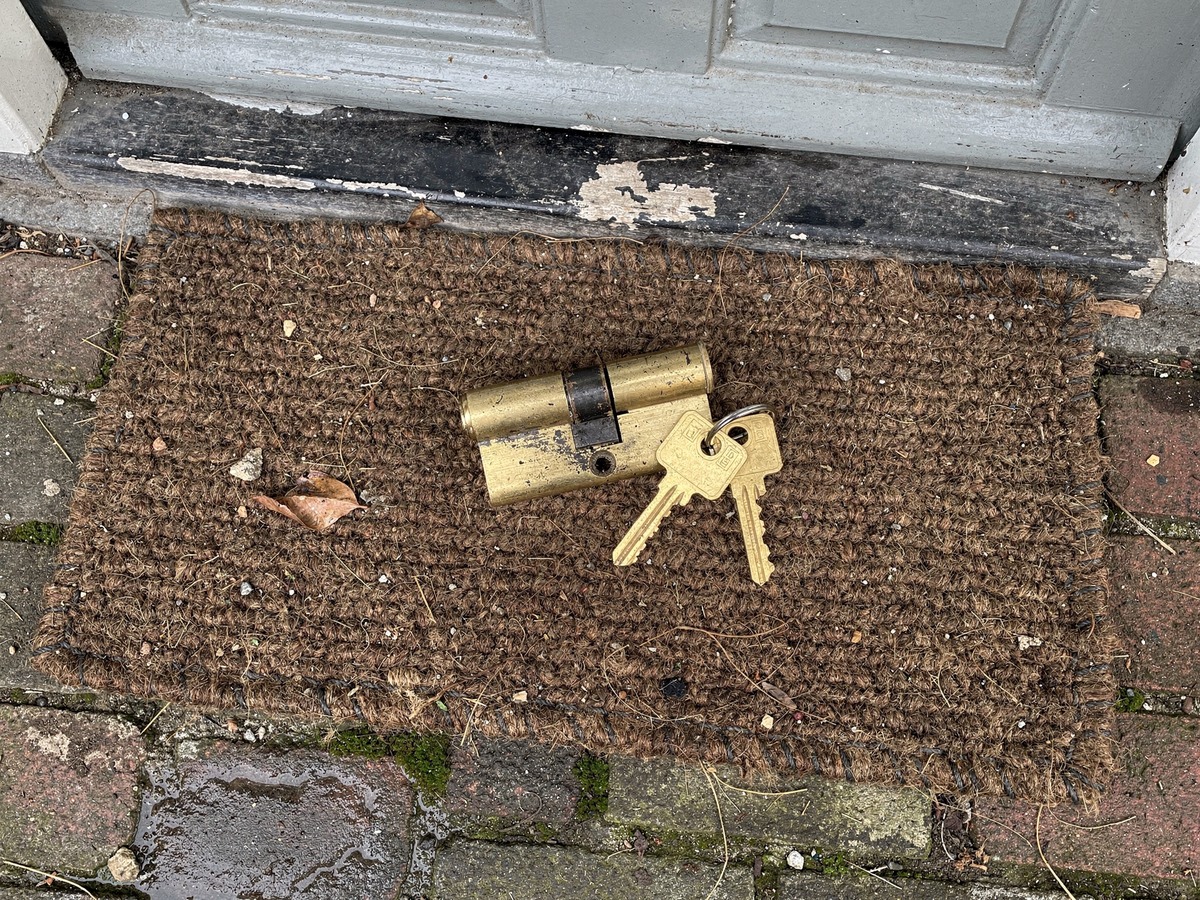
optional. - Keep the original cylinder and its keys somewhere safe, and refit it when you move out.
- Do not drill, saw or mill anything. Adding a different type of lock means altering the door
itself, which needs written permission.
The general rules for Dutch tenancies, including who pays for what, are in
renting in the Netherlands: your locks, your keys and who pays. Student contracts follow the same logic,
but the shared parts of the building complicate it.
Locked Out of a Student House
Try the cheap options first: a housemate who is in, the building manager, your landlord. Plenty of student
buildings have somebody on site who can help, and that costs nothing.
If none of that works, a locksmith can let you in. The price is the same as for anyone else in the country.
- Start rate €75. Call-out, travel and VAT. Never billed as a job on its own.
- Opening your door +€75, so a €150 total during the day.
- Evening or night +€75 on top, so opening your door becomes €225 total.
- Weekend during the day +€0. A Saturday costs the same as a Tuesday.
The full stack, and why we price it this way, is in how much does a locksmith cost, and every figure
is published on our prices page. If you are standing outside right now, locked out: what to do
is the step-by-step version.
One warning worth taking seriously: students are a favourite target for rogue locksmiths, because you are usually
in a hurry, often on a tight budget and new to the country. Always ask for the full total in euros before anyone sets
off. If the answer is a starting figure rather than a total, hang up. We wrote up the whole pattern, and what to do if
it has already happened to you, in scammed by a locksmith?
Key Deposits and Moving Out
Student contracts often mention a key deposit, or a charge per key that is not returned. Two habits save you money
at the end of the year.
- Count the keys on day one and put the number in an email to your landlord. If you were given two,
say so in writing. - Photograph the lock and the keys at handover, both in and out. It takes ten seconds and it settles
most disputes before they start.
Spare Keys
One thing we are always straight about: we do not cut keys. If you are safely indoors and just want a spare cut, a local shoemaker or key service will do it faster and cheaper than we could. If your lock is a certificate lock such as M&C or Nuki, original new keys can be reordered through the manufacturer: call or WhatsApp us with the certificate to hand and we place the order, then deliver or post them. The manufacturer sets the terms, so we cannot promise a price or a delivery time in advance.
If you want a spare for a housemate or a partner, check your contract first: some landlords limit how many keys may
be in circulation, and an extra key you did not declare can come back to you at the final inspection.
Frequently Asked Questions
Can I change the lock on my student room?
Usually only with your landlord’s agreement, and only if the change is reversible. A room door in a shared house is often part of the landlord’s own key system, so replacing it unilaterally can breach your contract. Ask in writing first, keep the original cylinder, and refit it when you leave.
My housemate moved out and still has a key. What now?
Raise it with your landlord, because in most shared houses the front door lock is theirs to manage. If the key also opened your own room and you cannot account for it, ask for the cylinder to be replaced. Put the request in writing so there is a record.
Who pays if I lose my student room key?
You do, in almost every case. Losing keys is treated as the tenant’s own doing, and many student contracts also mention a key deposit or a replacement charge. Check your contract before you agree to anything.
How much does it cost to be let into my room?
The same as anywhere else: the 75 euro start rate plus 75 euro for the opening, so a 150 euro total during the day. In the evening or at night one further 75 euro applies, so 225 euro total. There is no student rate and no expat rate; everyone pays the same.
Can you make me a spare key for my room?
No, we do not cut keys. A local shoemaker or key service will do a plain spare quickly and cheaply. If your lock is a certificate lock such as M and C or Nuki, original keys can be reordered through the manufacturer, which we can arrange for you.
Need a Locksmith?
English-speaking, fixed total quoted before we set off, and exactly the same rates everyone else pays.
📞 Call 085 4000 911💬 WhatsApp us📝 Request a locksmith
Read next: our locksmith service for expats, or
does home insurance cover a locksmith? if something has been broken or stolen.